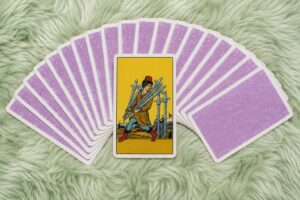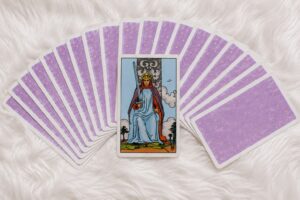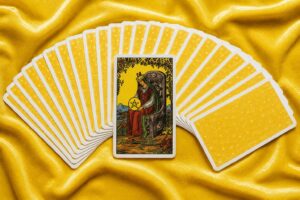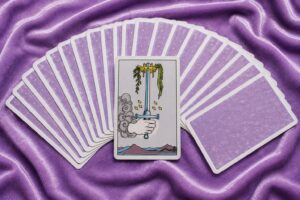
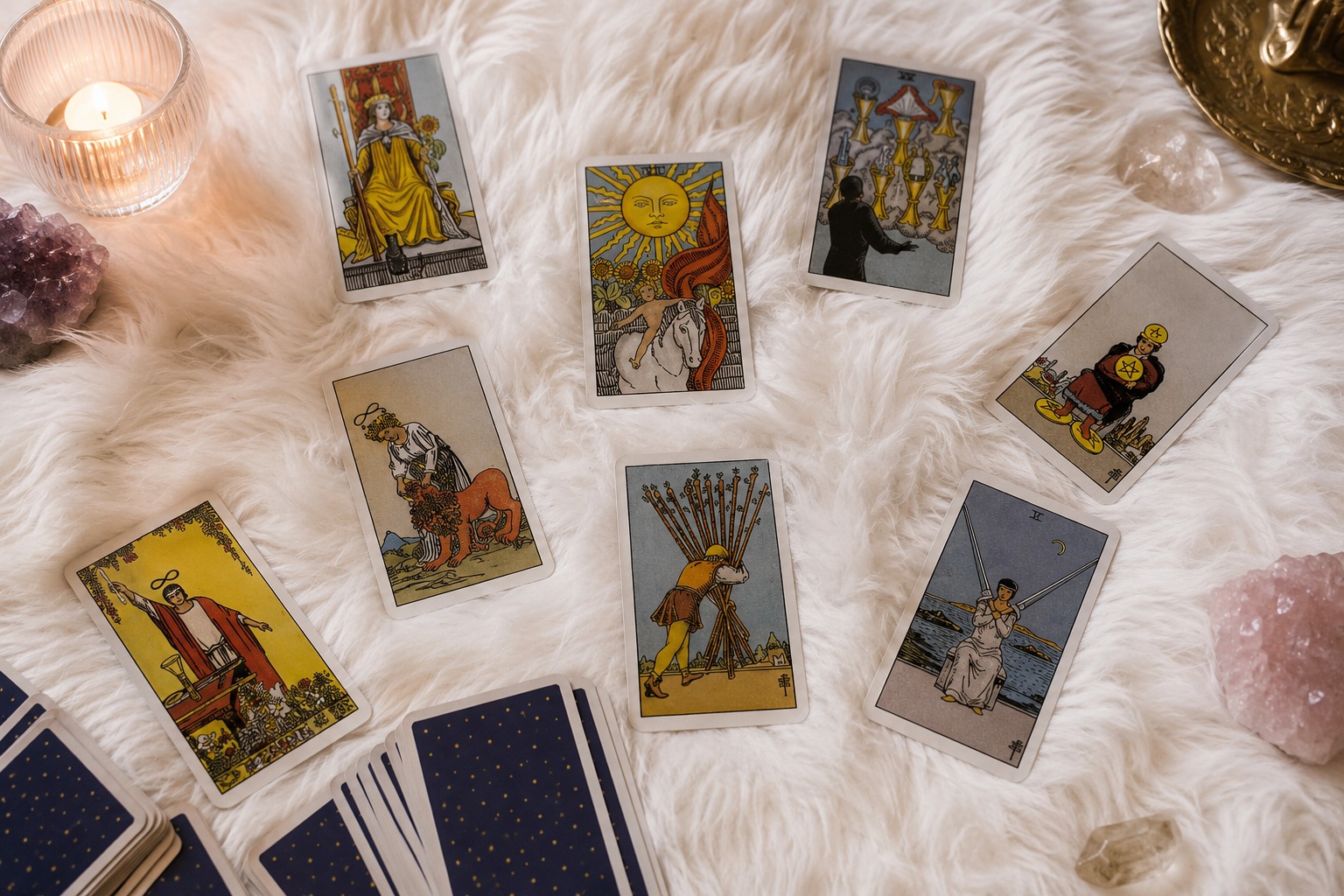
Most people have a moment with tarot that goes one of two ways. Either they see a spread of cards and immediately think “that’s not for me,” or they pull one card out of curiosity and suddenly can’t stop thinking about what it meant and if you’re reading this, you’re probably somewhere in the second camp, and, honestly that’s exactly where things get interesting.
Tarot cards are one of the oldest and most widely used tools for self-reflection and guidance in the world. They’re not about predicting a fixed future or telling you what’s going to happen. Instead, They’re more like a mirror, one that reflects back what’s already happening inside you, around you, and in the situations you’re navigating, with a clarity that’s sometimes surprising and often genuinely useful.
A Brief History of Tarot Cards
Tarot didn’t start out as a mystical tool at all. The cards first appeared in 15th-century northern Italy, where they were created as playing cards for the nobility. These early decks were called trionfi or tarocchi and were used for trick-taking card games, not unlike modern card games played today. The imagery on those early decks reflected the world of medieval life: emperors, virtues, death, fortune, and divine figures. The symbolism was cultural and artistic long before it became spiritual.
However, it was not until the 18th century that the tarot cards started taking a new form, which would eventually transform them into an instrument for divination and introspection, through the discovery by occultists and mystics of the profound meaning behind tarot imagery. Gradually, symbolism was enhanced, new decks were designed, and the tarot turned into one of the most popular instruments of personal guidance and intuition.
What Is a Tarot Deck?
A standard tarot deck contains 78 cards, divided into two main sections: the Major Arcana and the Minor Arcana.
The Major Arcana consists of 22 cards, each representing a significant theme or life lesson. These are the cards most people recognize: The Fool, The Lovers, The Moon, The Star, The World. Each one speaks to a deeper, more universal human experience.
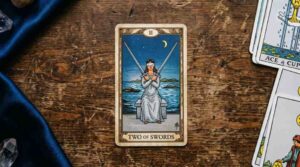
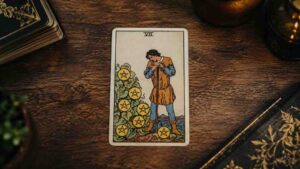
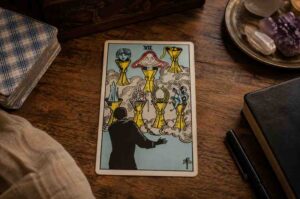
The Minor Arcana consists of 56 cards, divided into four suits: Cups, Wands, Swords, and Pentacles and these cards cover the more immediate, everyday aspects of life, your emotions, your actions, your thoughts, and your material world also each suit contains 14 cards, from Ace to Ten, plus four court cards: the Page, Knight, Queen, and King.
How Do Tarot Cards Work?
This is the question most people have, and the honest answer is that tarot works as a language. Each card carries a set of symbols, imagery, and meanings that represent experiences, emotions, people, and situations that every human being encounters at some point. When you draw a card, you’re not receiving a fixed prediction. You’re receiving a reflection, one that helps you see your current situation from a different angle or access an insight that was already somewhere inside you.
Think of it less like a crystal ball and more like a really good conversation with someone who asks the right questions and the cards prompt you to look at things differently, consider what you might be avoiding, and recognize patterns or possibilities you might have missed on your own.
What Can Tarot Cards Help With?
Tarot is genuinely useful for a wide range of situations and questions. People use it for self-reflection and personal growth, for understanding their emotions more clearly, for gaining a fresh perspective on a difficult decision, also for exploring relationship dynamics, and for checking in with themselves when life feels unclear or overwhelming and it works especially well when you approach it with an open mind and a genuine question rather than just looking for a yes or no answer. The richer and more honest the question, the more useful the reading tends to be.
The Major Arcana and Minor Arcana
Understanding the difference between these two sections helps a lot when you’re learning to read tarot.
The Major Arcana cards speak to the big, overarching themes of your life and when these cards show up in a reading, they usually point to something significant, a major life lesson, a turning point, or a deep inner theme that’s asking for your attention and on the other hand The Minor Arcana cards speak to the everyday situations you’re currently dealing with. These cards reflect what’s happening in your day-to-day life right now, and their energy tends to be more fluid and changeable depending on the choices you make.
How to Start with Tarot
The best way to start is simply to begin. Pick a deck whose imagery speaks to you then pull one card a day, sit with it, and see how its themes show up in your life. Over time, the meanings start to feel natural rather than something you’re trying to memorize.
You don’t have to be an expert before tarot becomes useful to you. Even a beginner’s reading can spark an insight that genuinely changes how you approach something.
Final Thoughts
Tarot cards have remained relevant through many centuries not because of their mystical properties, but due to their relevance. They give you a structured, symbolic tool to explore your life exactly where you are and show you what you most need to see. Regardless of whether you’re absolutely new to tarot or have been using the cards for many years already, the depth you can discover in a simple deck of 78 cards is really surprising.
FAQs
What are tarot cards used for?
Tarot cards help you reflect on yourself, find personal guidance, and gain clarity on situations, decisions, emotions, and relationships.
How many cards are in a tarot deck?
A standard tarot deck contains 78 cards and they are divided into the Major Arcana (22 cards) and the Minor Arcana (56 cards).
Can tarot predict the future?
Tarot will mirror the energy of what is happening now. It may give insight into what is likely to happen given the current state of affairs, but it always allows for personal choice in shaping that outcome.
Explore all the tarot cards and their meanings on Lumus Blogs today!